What to do now
- Save three numbers in your phone today: your vet, the nearest 24/7 emergency clinic, and a pet poison hotline (ASPCA 888-426-4435 or Pet Poison Helpline 855-764-7661; fees may apply).
- No cooked bones, fatty scraps, gravy or turkey skin, and bag the carcass in a pet-proof outdoor bin.
- Check labels for xylitol (also called birch sugar) in gum, mints, baked goods, some peanut butters and toothpaste.
- Skip tinsel, keep ribbons and salt-dough ornaments out of reach, and unplug lights when you leave.
- Give every pet a quiet room during gatherings and watch the door so nobody slips out. Make sure microchip info is current.
In this article
Thanksgiving is on Thursday, November 26 this year, and the run from there to New Year’s packs rich food, new decorations, houseguests and travel into a few weeks. That’s when vets see a lot of avoidable emergencies. Work through this checklist once now and you won’t have to think about it on the day.
Before the holidays: 10 minutes of prep
The AVMA’s first piece of advice is to know where your 24/7 emergency clinic is before you need it. Ask your vet which clinic they refer to and check the route, because you don’t want to be searching for it while you’re panicking. Keep these numbers posted where everyone can see them:
- Your veterinarian
- Your nearest 24/7 emergency veterinary clinic
- ASPCA Animal Poison Control: (888) 426-4435
- Pet Poison Helpline: (855) 764-7661
Both poison lines may charge a fee. While you’re at it, check that your pet’s microchip registration has your current phone number. The AVMA points out that pets are more likely to bolt while guests are coming and going.
The holiday table: what to keep away from pets
Bones, fat and rich leftovers
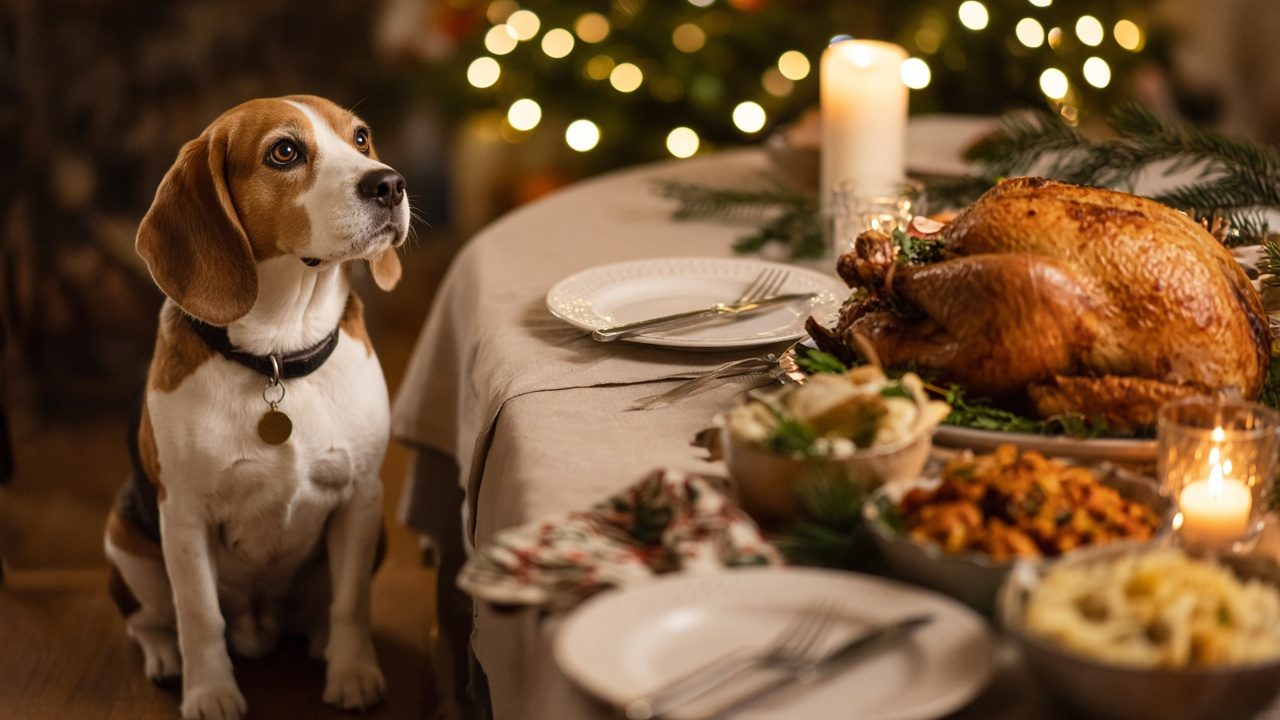
The FDA warns against giving pets high-fat scraps like meat trimmings and turkey or chicken skin. Besides an upset stomach, rich food can trigger pancreatitis, a painful and potentially life-threatening disease. In dogs the most common signs are vomiting, stomach pain, restlessness, shaking, diarrhea, fever and weakness. In cats the signs are subtler, like eating less and losing weight.
Cooked bones are a separate problem. They can get stuck in a dog’s esophagus, stomach or windpipe, and sharp pieces can cause serious internal injuries. Dogs are well known for raiding the trash for the carcass. The AVMA recommends putting carcasses, bones, strings and wrappers in a tightly closed bag inside a closed outdoor bin, or behind a locked door.
Xylitol (birch sugar)
Xylitol is a sweetener that is dangerous to dogs. It shows up in sugar-free gum, mints, candy, some peanut butters, baked goods, toothpaste and mouthwash, and may be listed as “birch sugar” or “wood sugar.” The FDA says symptoms come on quickly. Vomiting usually comes first, followed by signs of a sudden drop in blood sugar: weakness, staggering, collapse and seizures. If your dog eats anything that contains xylitol, call your vet immediately.
Chocolate and alcohol
Treat all chocolate as off-limits. Unsweetened baking chocolate is the most dangerous because it has the highest concentration of the compound that’s toxic to pets. The FDA says to treat any chocolate your dog eats as an emergency. Alcohol can cause vomiting, poor coordination and breathing trouble, and in severe cases coma or death.
Other foods to skip
According to the AVMA, also keep away onions, grapes and raisins, gravy and sauces, and unbaked yeast dough, which can cause painful gas and dangerous bloating.
Want to share the feast? The AVMA suggests buying or making treats made for pets, and asking guests not to slip them food from their plates.
Decorations and plants
- Tinsel, ribbon and string look like prey to cats and dogs and can cause serious stomach and intestinal damage. The FDA’s advice is to skip tinsel altogether and pick up ribbon as soon as gifts are opened.
- Salt-dough ornaments and homemade play dough contain a lot of salt. According to the FDA, a 10-pound pet can get sick from ½ teaspoon of table salt, and 1½ teaspoons can be fatal.
- Trees: secure the tree so climbing pets can’t knock it over (the AVMA suggests tying it to a doorframe or the ceiling with fishing line), and don’t put additives in the tree water.
- Lights and candles: chewed cords can burn pets. Unplug lights when you’re out, and never leave a pet alone with a lit candle.
- Plants: poinsettia, mistletoe, holly, amaryllis, balsam, pine and cedar can all cause problems. Poinsettia usually irritates the mouth and stomach. Holly can cause drooling, vomiting and diarrhea. Serious mistletoe poisoning is uncommon but possible if a pet eats a lot.
- Potpourri: liquid potpourri contains essential oils that can damage a pet’s mouth, eyes and skin.
- Snack bags: mylar chip and cereal bags can suffocate a dog that pushes its head inside, so close them and put them away.
Guests, parties and exotic pets
Even confident pets can get stressed during gatherings. The AVMA recommends:
- A retreat room with water, bedding and a favorite toy, somewhere guests won’t follow.
- Tell guests ahead of time that you have pets, especially people with allergies or weakened immune systems, and be careful about guests bringing their own pets.
- Keep birds, reptiles and small mammals away from the noise. Exotic pets can get stressed by crowds, and some guests are uneasy around them.
- Watch the door while people are arriving and leaving.
- Clear the food off counters and tables as soon as the meal is over.
Traveling or boarding?
- Crossing state lines with a pet requires a health certificate from your vet, even if you’re driving. Ask early, because certificates have to be issued within a set window before travel.
- In the car, restrain pets with a secured harness or carrier away from airbags, and never leave them alone in the vehicle.
- Flat-faced dogs and cats can have trouble flying. Ask your vet first.
- If you’re boarding your dog, check that vaccines are up to date and ask your vet about canine flu.
Signs your pet ate something it shouldn’t have
Watch for sudden behavior changes, depression, pain, loss of appetite, vomiting or diarrhea. Swallowed bones or chew toys may not cause symptoms for hours or even days, so keep watching after the party. If you’re worried, call your vet or emergency clinic right away. Fast action can save a life.

Tails & Tips Editors
The Tails & Tips editorial team turns official sources (FDA and AVMA notices, veterinary school guidance, the Merck Veterinary Manual) into short, practical to-dos. This article was checked against 3 cited sources.
Sources
- Winter holiday pet safety — American Veterinary Medical Association (AVMA)
- Keep Your Dogs and Cats Safe From Holiday Hazards — U.S. Food and Drug Administration (FDA)
- Paws Off Xylitol; It's Dangerous for Dogs — U.S. Food and Drug Administration (FDA)